What it is
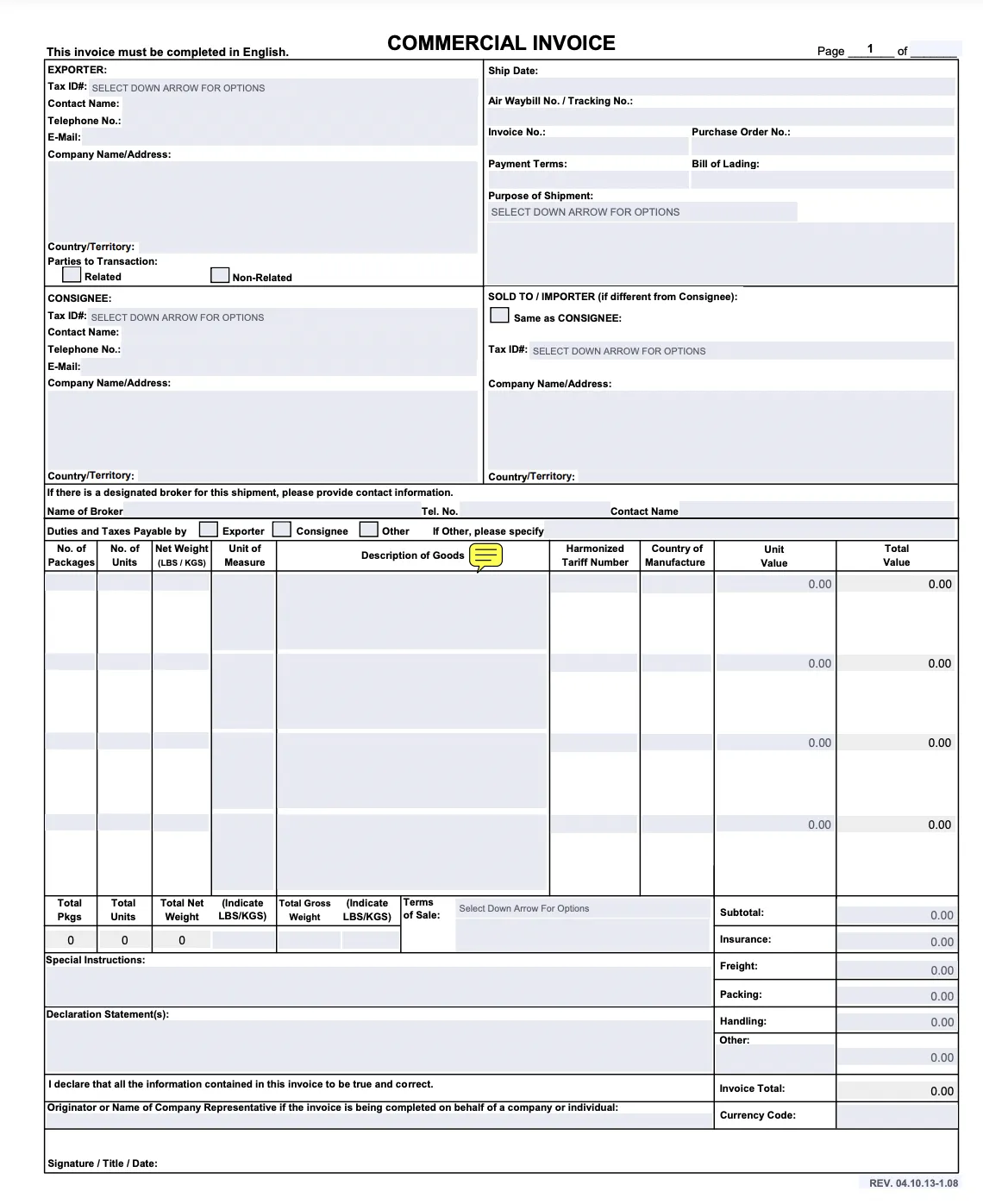
When a package arrives at a country’s border for importation, it goes through the customs clearance process. Clearance can also occur in transit remotely for low-value shipments. This is called express clearance and it happens when the air waybill (AWB) and commercial invoice satisfy all the import requirements. For example, the AWB and commercial invoice are complete, and accurate, and show that the shipment does not violate any import regulations or require additional inspection due to factors like restricted or prohibited goods.
The customs clearance process will be explained in detail in the next section, but here is a high-level overview of the customs clearance process:
Customs officials oversee and inspect the shipments entering and leaving the country for compliance, e.g., ensuring there is proper documentation, costs are properly assessed, applicable import licenses are supplied, there are no prohibited goods in the shipment, etc. This may involve a thorough inspection before either clearing the shipment to be released to the carrier for delivery, holding it for further inspection, or rejecting it entirely.
Customs officials are generally known to be stringent when it comes to upholding their country's trade regulations; therefore, it is important to ensure that customs has no reason to hold or reject your import so that the recipient, as the importer of record (IOR), does not have to face the repercussions of issues with the import.
Understanding the customs clearance process equips you to meet requirements effectively, ensuring your shipments pass through customs with minimal delays or difficulties.
Customs clearance steps
Here are the general steps involved in the customs clearance process.
1. Document inspection
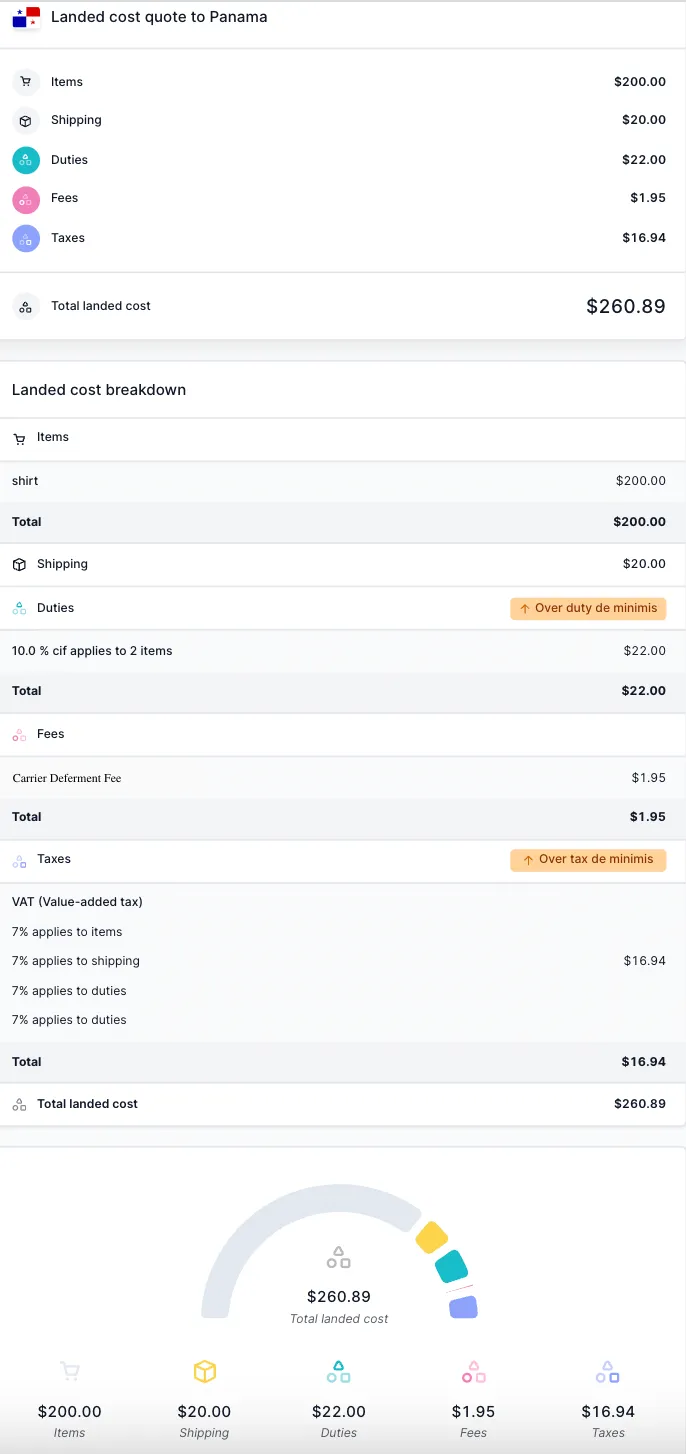
2. Duty, tax, and fee calculation
3. Incoterm assessment
4. Decision about the shipment (clear, hold, or reject)
How to avoid customs delays
To avoid customs delays:
- Follow all trade regulations of the destination country.
- Send packages as DDP.
- Register with a tax ID for countries with taxation schemes.
Customs clearance for ecommerce
Learn the customs clearance process for international orders.
If you are exporting or selling goods to another country, those products must go through the customs clearance process in the importing country before reaching their final destination.
Whether it is country-specific required paperwork, duties and taxes, or product restrictions, there are many factors that can cause delays or surprises during customs clearance. Therefore, familiarizing yourself with the customs clearance process may help importation go more smoothly than it otherwise would.